
Households across the world demonstrate trust in over-the-counter (OTC) medications and treatments to manage their daily health problems. Lots of people depend on over-the-counter remedies to treat their sudden headaches and persistent coughs and seasonal allergies, as well as minor cuts, since these products do not require prescriptions. Thousands of pharmaceutical products available in pharmacies require customers to make intelligent selection decisions. The guide provides information about OTC medications and treatments using advice that helps you obtain safe and effective healthcare without prescriptions.
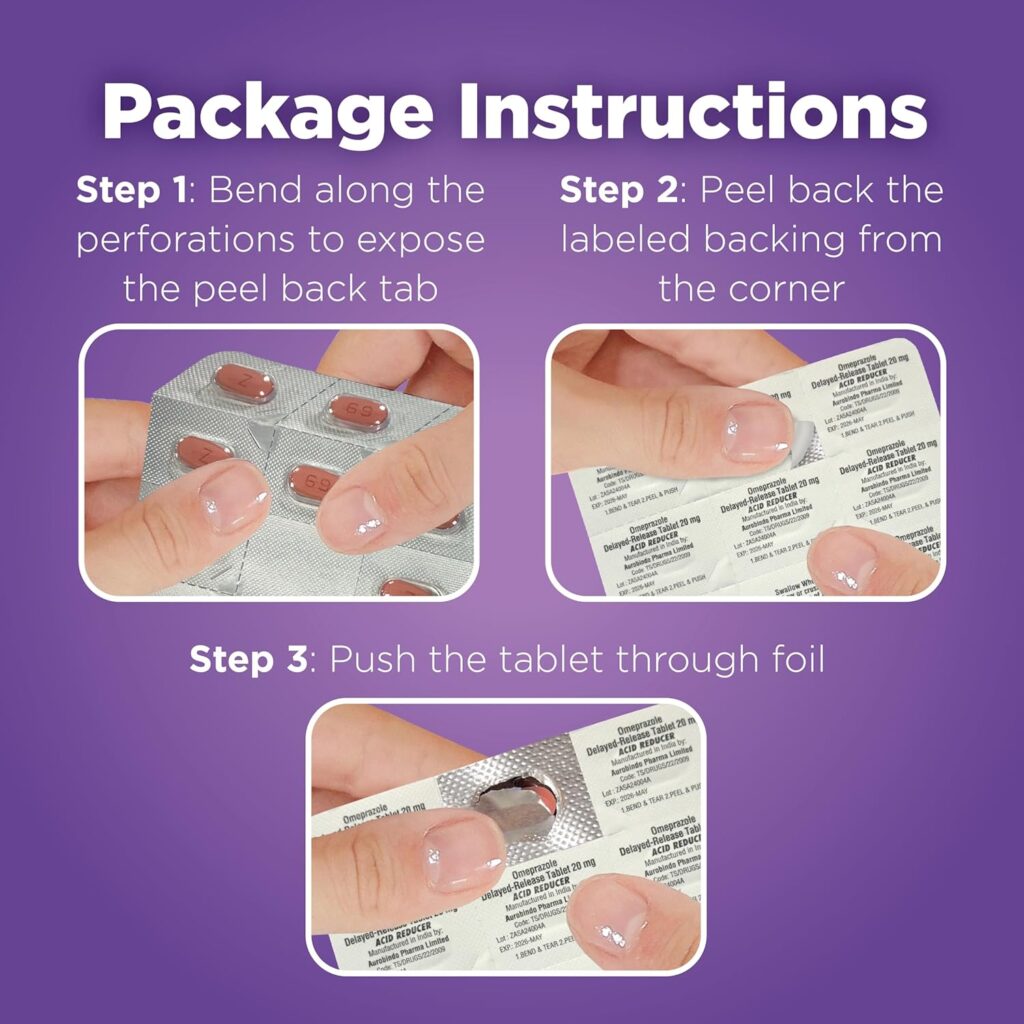
OTC medications and treatments refer to drugs that people can acquire without physician approval.
The U.S. Food and Drug Administration regulates drugs that patients can purchase directly from stores with or without medical prescriptions. OTC medications serve to address several medical conditions, starting from pain through allergies and extending to digestive problems and skin conditions. Healthcare treatments additionally contain wound care items together with cold packs and natural supplements, which help promote healing.
The U.S. Food and Drug Administration (FDA) regulates OTC products to guarantee their safety and effectiveness during proper use according to the provided instructions. Using OTC drugs comes with risks because improper usage or combination errors may lead to dangerous conditions despite the products being labeled as safe.
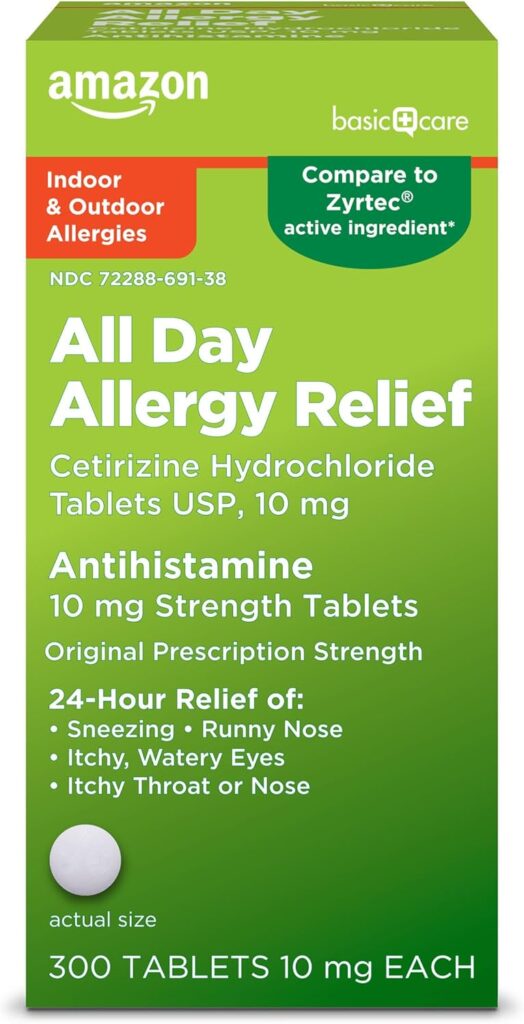
Common Categories of OTC Medications
The main categories need to be understood for a less stressful experience at your local pharmacy.
- Pain Relievers
Acetaminophen (Tylenol)
NSAIDs like ibuprofen (Advil, Motrin) and naproxen (Aleve)

Aspirin
The medications act to decrease both pain and inflammation and reduce temperatures in the body. Pay attention to medicine doses especially acetaminophen because large amounts endanger liver health.
- Cold and Flu Remedies
Decongestants (pseudoephedrine, phenylephrine)
Cough suppressants (dextromethorphan)
Expectorants (guaifenesin)
Antihistamines (diphenhydramine)
Multiple symptom therapy benefits from combination products yet these medicines can become unsafe when picking them haphazardly.
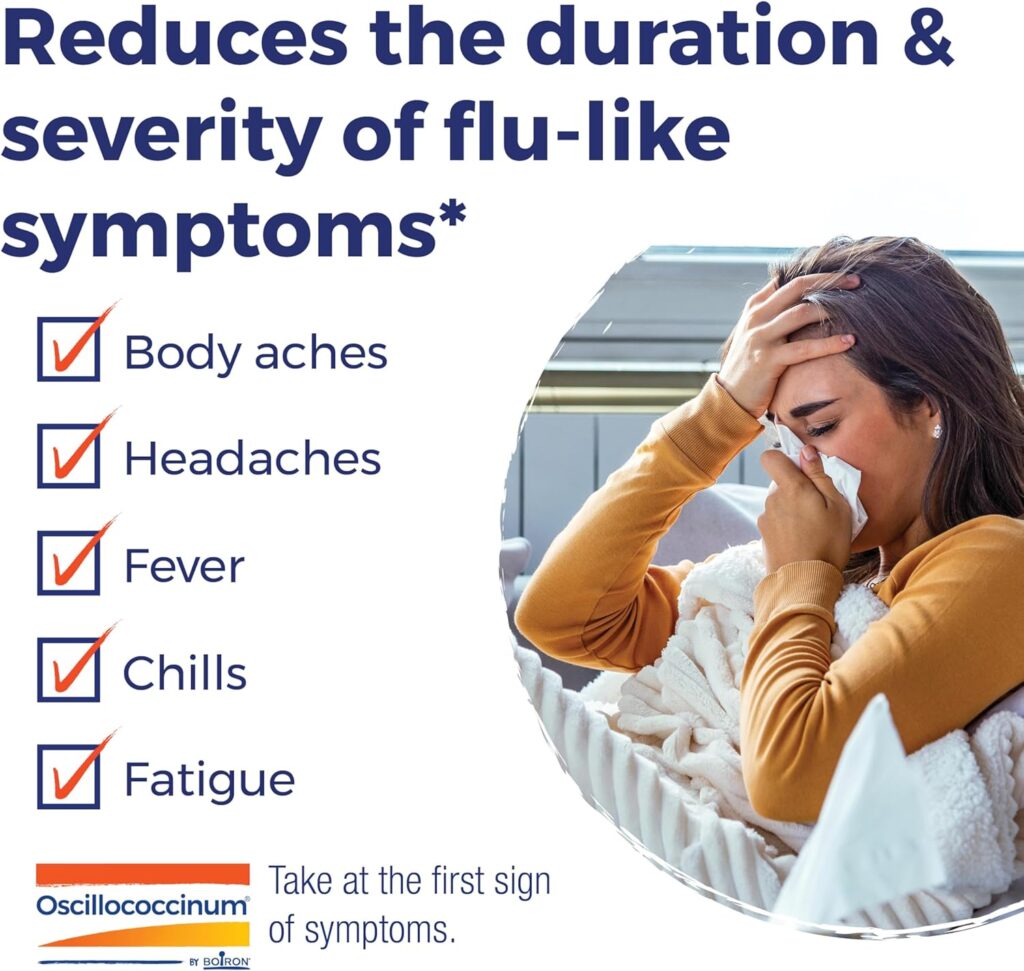
- Allergy Medications
Antihistamines (loratadine, cetirizine, fexofenadine)
Nasal sprays (fluticasone, triamcinolone)
Medications in this category allow patients to manage hay fever together with pet allergies and small allergic reactions.
- Digestive Health
Antacids (Tums, Rolaids)
Proton pump inhibitors (omeprazole)
Anti-diarrheals (loperamide)
Laxatives (polyethylene glycol, bisacodyl)
The available treatments help people manage heartburn together with constipation and diarrhea and indigestion symptoms.
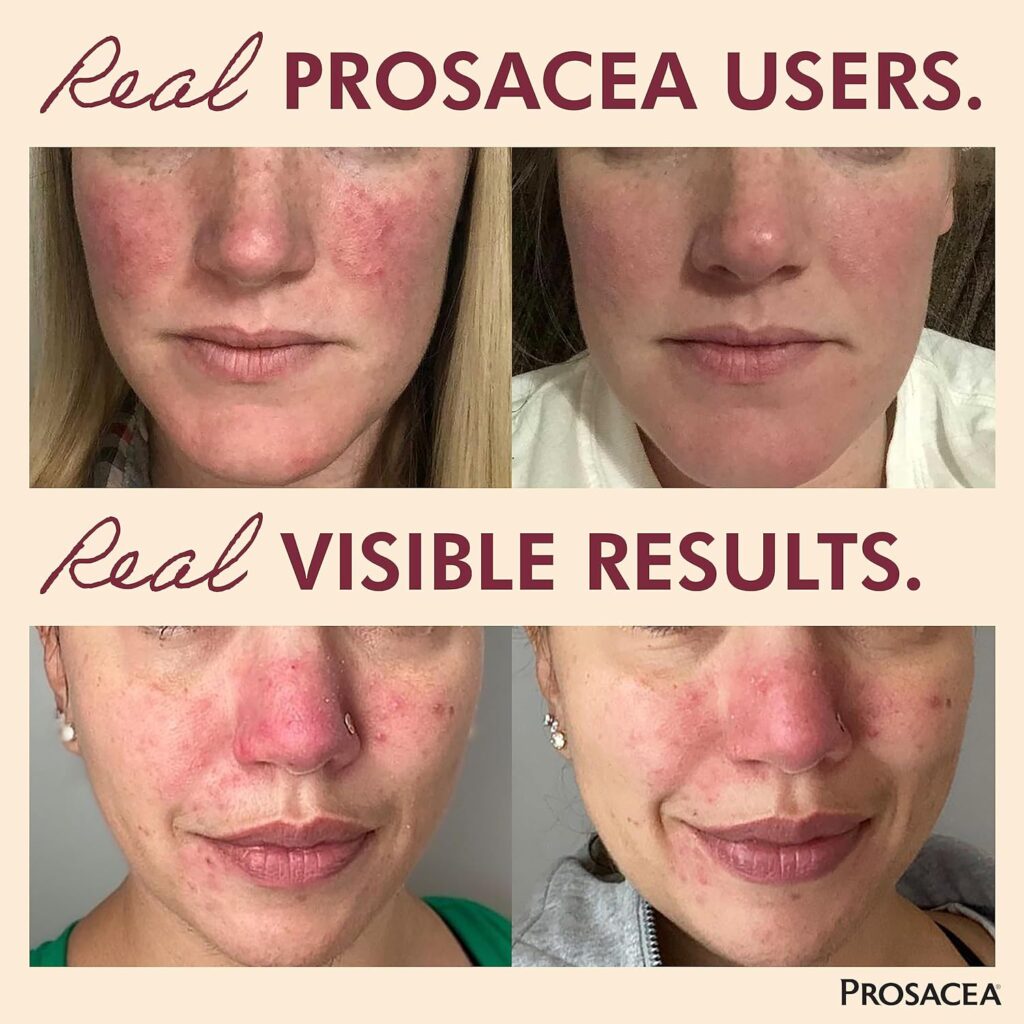
- Skin Care Treatments
Topical antibiotics (Neosporin)
Hydrocortisone creams
Antifungal treatments (clotrimazole, terbinafine)
People can use topical OTC medications to manage both small skin wounds and rash conditions and infections affecting the feet known as athlete’s foot.

Benefits of OTC Medications & Treatments
Convenience and Accessibility
With no need for doctor appointment bookings OTC medications let you access them whenever needed for non-urgent medical needs.
Cost-Effective
Drugs without doctor prescriptions are often less expensive than medical prescriptions and enhance health affordability.
Empowerment
People who use OTC options obtain autonomy to treat their minor medical problems independently.
Risks to Consider
Over-the-counter medications stay safe when used according to instructions but present possible dangers for users.
The risk of overdose will become severe when you use more than the advised dosage.
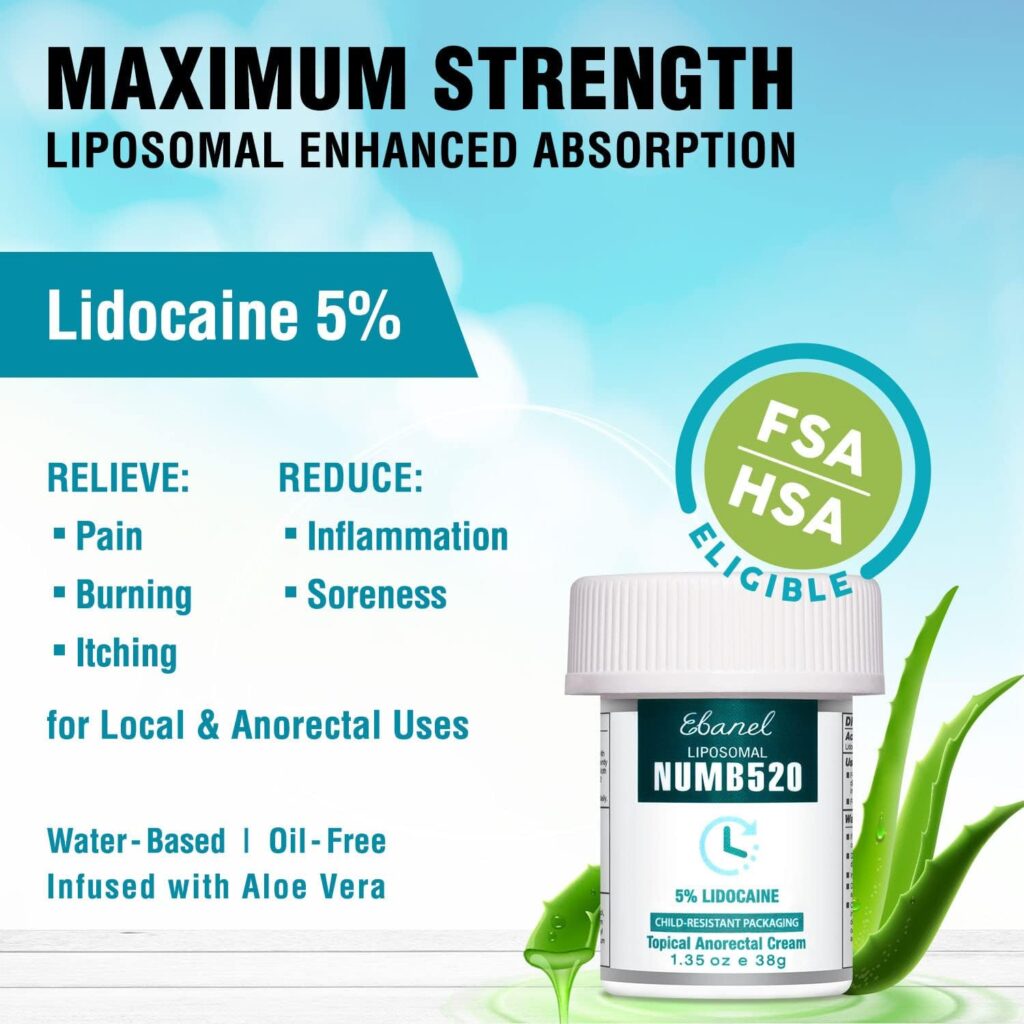
When OTC drugs interact with prescription medications, they can produce harmful consequences on the body.
Medical care will be delayed when individuals treat symptoms without recognizing their root causes.
People with known allergies need to inspect product ingredients before use.
How to Choose the Right OTC Product
Several intelligent guidelines exist to help you make the correct product selection.

Start by identifying your main symptom which is your most troublesome problem. Patients who only experience cough symptoms should use basic cough medications because their needs are simple without requiring various symptom reducers.
Examine the product labels because the active components determine the effectiveness. All medications exist within the market, but companies market them uniquely.
Every medication you take or plan to take should be checked for drug interaction with a registered pharmacist or healthcare professional.
Certain product formulations are unsafe when used by the elderly population and children.
Medications with only one active ingredient should be chosen because they reduce the amount of medication your body receives.

The Following Popular Over-The-Counter Brands Demonstrate Quality Products
Several top-quality generic brands build their good reputations because of their consistent effectiveness and quality performance.
Tylenol for pain and fever
Advil for pain and inflammation
Zyrtec and Claritin for allergies
Tums for heartburn
Imodium for diarrhea
Neosporin for wound care
Natural and Alternative OTC Treatments
Many patients looking for natural remedies can find OTC herbal remedies with homeopathic options among their choices:
Echinacea for immune support
Melatonin for sleep regulation
Individuals can use Arnica gel both for muscle pain and bruising.
Saline nasal sprays for congestion
The term “natural” should not indicate “safe” because every treatment requires careful use. Using herbal supplements must be done carefully because these supplements might interfere with medications.

Tips for Safe OTC Medication Use
The correct usage of OTC medications depends entirely on following prescribed dosage instructions.
A proper measuring device should be used when dealing with liquid medications.
All medications should be placed in a dry environment that stays cool unless the instruction specifies otherwise.
The effectiveness as well as the safety of expired products should not be trusted.
The medication which benefits one individual can create harm for any other person who uses it.
When to Seek Medical Help
Some symptoms require medical treatment if people need professional attention even though OTC solutions work for typical minor health issues.
Severe pain
High fever that won’t break
Serious symptoms which continue beyond several days without showing any positive signs
Difficulty breathing
Unusual side effects from an OTC medication
Rolled medical intervention remains safer than any form of caution.
The Future of OTC Medications
Medical technology and healthcare advancement drive changes in the OTC marketplace. The pharmaceutical market receives effective treatments that will reach the shelves in the near future. More and more digital health tools provide applications which suggest OTC remedies through symptom-based recommendations. Genetic profiling and specific health conditions can serve as the foundation for developing customized OTC products that personalized medicine will introduce in the market.

Final Thoughts
People can manage their health through OTC medications and treatments which simultaneously provide affordable convenience. Every person must exercise careful usage of these products. To maintain the safety together with benefits of OTC use individuals must remain informed and follow label instructions and share concerns with professionals when needed.
These regular medicinal products used with wisdom will result in improved comfort alongside increased confidence and better overall health. Your purchase of OTC treatments will serve you better because you now have the smart and informed confidence to use them effectively.
Stay healthy, stay smart!