Carefully glue and clamp peeling veneer to restore smooth surfaces on particle board cabinets.
Imagine rushing to get your kitchen ready for guests, only to notice the veneer on your particle board cabinets peeling away. With limited time and a desire to keep your space looking neat, quick and effective repairs become essential.
This guide simplifies the process of fixing peeling veneer, helping you restore your cabinets without hassle. Stick around, as we’ll also share expert picks to make your repair job even easier.
What Expert Picks For How To Repair Peeling Veneer On Particle Board Cabinets
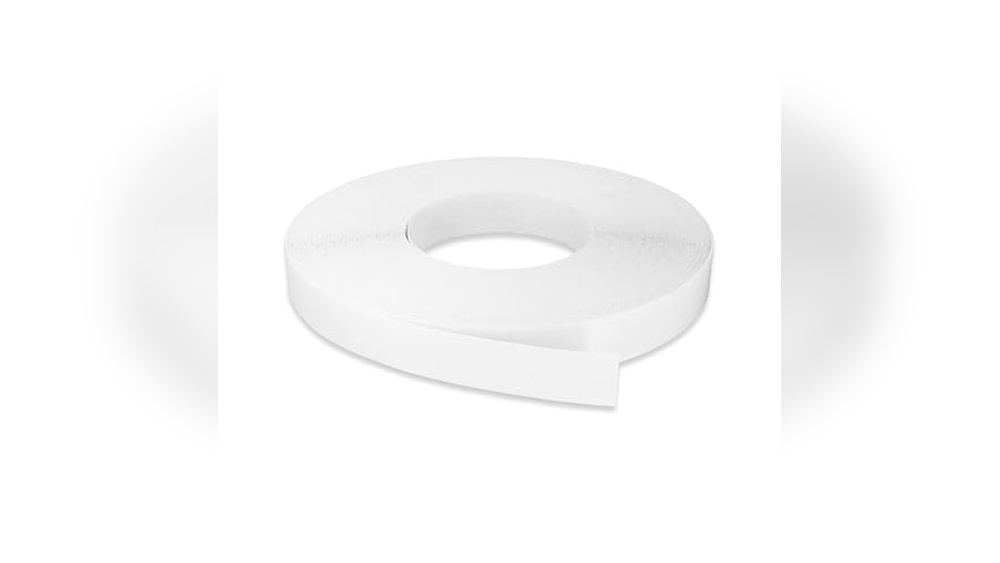
White Melamine Edge Banding 3/4 Inch
Ideal solution for How To Repair Peeling Veneer On Particle Board Cabinets, providing a smooth, durable finish.

This white melamine edge banding is designed to repair or finish particle board cabinets and furniture edges. It comes pre-glued with a strong adhesive that bonds well when ironed on, making it suitable for DIY projects, shelving, and cabinetry repairs. The banding is flexible and durable, ensuring a neat, professional look without the need for complicated tools.
In everyday use, this edge banding is easy to apply with just a household iron and a roller or wood block. Its smooth surface resists dirt and wear, while its elasticity allows it to conform well to both flat and curved surfaces. This makes it a reliable choice for maintaining or updating cabinetry with minimal effort and consistent results.
Pros:
- Strong pre-glued adhesive for easy application
- Durable melamine material with a smooth finish
- Flexible enough for flat or curved surfaces
- Resistant to dirt and wear
- Wide usage including cabinets, countertops, and shelving
- Large 100 ft roll covers multiple projects
Cons:
- Requires household iron for application
- Only available in white color, limiting color matching
My Honest Take
This edge banding is perfect for homeowners or DIY enthusiasts looking to fix peeling veneer on particle board cabinets without professional help. It’s straightforward to use, even for beginners, as long as you have access to a household iron. I recommend taking care to apply even heat and pressure during installation for the best bond and appearance.
It’s a dependable product that helps extend the life of cabinetry and furniture, giving a clean, refreshed look. If you want a simple, cost-effective repair without replacing entire boards, this banding is a practical choice to keep on hand.
| Best for | Why |
|---|---|
| DIY Home Repairs | Easy to apply with common household tools and strong adhesive |
| Furniture Upgrades | Provides a clean, durable finish to worn or peeling edges |
| Cabinet Refurbishing | Designed specifically for particle board and laminate surfaces |
Unmar Birch Edge Banding Tape
How To Repair Peeling Veneer On Particle Board Cabinets with easy peel-and-stick application and flexible veneer trim.

This UNMAR Birch Edge Banding Tape is a self-adhesive, flexible veneer trim designed to cover and repair edges of particle board cabinets, plywood, and MDF surfaces. It offers a simple peel-and-stick application, eliminating the need for heat or glue, making it suitable for DIY furniture repair and refinishing projects.
In everyday use, this edge banding performs reliably by providing a strong and lasting bond that holds up well under typical wear. Its flexibility and ease of trimming mean it adapts to various edge shapes, and applying it with a roller or wood block ensures a smooth, professional finish without much hassle.
Pros:
- Strong adhesive for quick, lasting bond
- Flexible and easy to cut to size
- No heat or iron required for application
- Durable finish ideal for high-traffic areas
- Works well on particle board, plywood, and MDF edges
- Can be applied with simple tools like a roller or wood block
- Self-stick design reduces installation time
Cons:
- Limited to edges up to 3/4 inch wide
- May require careful alignment to avoid bubbles or wrinkles
- Color limited to Birch shade, which may not match all finishes
My Practical Opinion
This edge banding tape is a great fit for anyone looking to repair or refresh peeling veneer edges without complicated tools or processes. It’s especially well suited for beginners or casual DIYers because of its peel-and-stick simplicity and no-heat application. Just measure, cut, peel, stick, and roll it down — that’s all it takes.
For the best results, take your time to align the tape carefully and use a roller to press it firmly. This adds to the durability and aesthetic quality of the repair. It’s a straightforward product that adds a neat touch to old or damaged cabinets, giving you peace of mind that your repair will hold up well.
In my experience, this tape balances ease and quality nicely — it’s not fancy but gets the job done reliably and cleanly.
| Best for | Why |
|---|---|
| DIY Furniture Repair | Simple peel-and-stick application makes fixing veneer edges quick and easy |
| Homeowners with Particle Board Cabinets | Effective for repairing peeling veneer on common cabinet materials |
| Beginner Woodworkers | No special tools or heat needed, suitable for first-time users |
| Small Renovation Projects | Flexible and easy to trim to fit various edge sizes and shapes |
White Melamine Edge Banding 3/4 Inch
Perfect for How To Repair Peeling Veneer On Particle Board Cabinets with a smooth, durable finish.
This white melamine edge banding by leyaflex is designed to provide a clean and durable finish for cabinetry, shelves, and furniture repairs. It comes pre-glued with a strong adhesive, making it suitable for fixing peeling veneer on particle board cabinets or enhancing the edges of various surfaces. Measuring 3/4 inch by 25 feet, it’s flexible enough to work on flat or curved surfaces, offering a neat look for DIY projects or professional repairs.
In everyday use, this edge banding is easy to apply with a household iron and roller or wood block, creating a fast and secure bond. Its melamine material is durable, elastic, and resistant to dirt, ensuring a lasting finish even in busy home environments. I found it consistently reliable for quick touch-ups and longer-term repairs, making the process straightforward without special tools or expertise.
Pros:
- Strong pre-glued adhesive for easy application
- Durable and elastic melamine material
- Suitable for flat and curved surfaces
- Resistant to dirt and wear
- Long roll length for multiple projects
- Provides a smooth, neat finish
- Compatible with various materials like plywood and MDF
Cons:
- Requires a household iron for application
- White color limits matching options
- Not reusable once applied
My Recommendation
This edge banding is ideal for homeowners or DIY enthusiasts looking to repair peeling veneer on particle board cabinets with minimal hassle. Its ease of use means even beginners can achieve professional-looking results quickly. For best results, apply with gentle heat and pressure to ensure a strong bond and smooth finish.
While it’s not a one-size-fits-all color, the white finish works well with light-colored cabinetry and furniture. I appreciate how this product simplifies the repair process, saving time and extending the life of worn edges without complicated tools.
| Best for | Why |
|---|---|
| DIY Home Repairers | Easy application and quick fixes for peeling veneer |
| Furniture Restorers | Durable, neat edge finishing on shelves and cabinets |
| Kitchen Remodelers | Compatible with countertop and cabinet edging tasks |
| Beginners | Simple iron-on method suitable for non-experts |
Leyaflex White Edge Banding 1 In X 25 Ft
Ideal for How To Repair Peeling Veneer On Particle Board Cabinets with a clean, durable finish.

The leyaflex White Edge Banding is a 1 inch by 25 feet roll of pre-glued melamine adhesive trim designed specifically for repairing and finishing edges on cabinets, shelves, and furniture. It offers a smooth, clean white finish that covers peeling or damaged veneer on particle board effectively. This edge banding is flexible and can be applied easily with a household iron, making it a practical choice for DIY repairs or upgrades.
In everyday use, this edge banding performs reliably by adhering well to various surfaces like wood, plywood, and metal. Its durable melamine surface resists dirt and wear, helping maintain a neat appearance over time. The application process is straightforward and quick, allowing consistent results without professional tools. For anyone tackling peeling veneer issues on particle board cabinets, it offers a dependable and visually appealing fix.
Pros:
- Pre-glued for easy iron-on application without extra adhesives
- Durable melamine material resists dirt and damage
- Flexible and suitable for flat or curved edges
- Strong adhesive bond ensures lasting repair
- Provides a smooth, clean white finish matching common cabinetry
- Works well on multiple surfaces like wood, plywood, and metal
- Long 25-foot length covers multiple projects or large areas
Cons:
- Only available in white, limiting color matching options
- Requires careful ironing technique for best results
- Not suitable for very thick or heavily textured veneer repairs
My Practical Opinion
This edge banding is well-suited for homeowners or hobbyists looking to fix peeling veneer on particle board cabinets without complicated tools. Its simple iron-on application makes it accessible even for beginners, though a steady hand improves the finish. I find it most helpful to measure and cut carefully before applying, ensuring clean edges and minimal waste.
For peace of mind, make sure the surface is clean and dry before application. This product offers a neat, professional-looking repair that can refresh old cabinetry without the cost of full replacement. Personally, I appreciate how it transforms worn edges into smooth, clean surfaces with minimal effort.
| Best for | Why |
|---|---|
| DIY home cabinet repairs | Easy iron-on application and durable finish for peeling veneer fixes |
| Furniture refinishing projects | Flexible and strong edge banding that enhances appearance and durability |
| Kitchen and countertop edging | Melamine material resists dirt and wear in high-use areas |
| Beginners needing simple repairs | No special tools required, straightforward iron-on process |
Walnut Wood Edge Banding 2x50ft
Perfect solution for How To Repair Peeling Veneer On Particle Board Cabinets with a natural wood finish.

This walnut wood edge banding offers a simple, peel-and-stick approach to restoring the look of particle board cabinets, furniture, and DIY projects. Made from real walnut veneer, it provides an authentic wood grain finish that blends naturally with wood surfaces. The 2 inch by 50 ft size covers a wide range of edge repairs, making it practical for both small touch-ups and larger restorations.
In everyday use, this adhesive edge banding performs reliably with an easy installation process—you just peel off the backing, align it, and press it on. The option to use a household iron or hot air blower to activate the adhesive adds extra security to the bond. It holds up well on particle board and plywood, maintaining a consistent finish without peeling or bubbling when applied correctly.
Pros:
- Natural walnut wood veneer for authentic grain and color
- Peel-and-stick design simplifies installation
- Works well on particle board, plywood, and wood surfaces
- Long length (50 ft) covers multiple projects
- Can be applied with household tools like an iron or heat gun
- Strong adhesive bond activated by heat ensures durability
Cons:
- Natural wood variation means slight color and grain differences
- Requires careful alignment for best appearance
- Not pre-glued, so heat activation is necessary for full adhesion
My Practical Opinion
This edge banding is ideal for those looking to refresh peeling veneer on particle board cabinets without complicated tools or professional help. Beginners will find the peel-and-stick method straightforward, while experienced DIYers will appreciate the natural look and durability it offers. When applying, take your time aligning the strip and use a roller or iron evenly to avoid bubbles. It provides a satisfying balance of ease and quality, making it a dependable choice for cabinet repairs.
For peace of mind, keep the surface clean and dry before applying, and work in a well-ventilated space if using heat. I like to keep a roller handy to press the edges firmly for a neat finish. Overall, it’s a practical tool that restores the warmth and style of wood furniture with minimal fuss.
| Best for | Why |
|---|---|
| DIY Furniture Restorers | Easy peel-and-stick application with authentic wood grain |
| Cabinet Repair on Particle Board | Strong adhesive bond suitable for particle board edges |
| Hobbyists and Crafters | Long length allows for multiple creative projects |
| First-Time Users | Simple installation using household tools like an iron |
How To Choose How To Repair Peeling Veneer On Particle Board Cabinets For Your Needs
This guide aims to help you understand the key steps to effectively repair peeling veneer on particle board cabinets, ensuring a smooth and lasting finish.
- Is the peeling area clean and free of dust or debris?
- Have you assessed the extent of damage to the veneer?
- Do you have the right adhesive suitable for particle board?
- Is the surface properly prepared for reattaching the veneer?
- Have you planned how to apply pressure to secure the veneer while drying?
- Do you know how to finish and seal the repaired area for durability?
If you still have questions, the FAQs help.
Faqs Of How To Repair Peeling Veneer On Particle Board Cabinets
How do I safely repair peeling veneer on particle board cabinets?
Wear gloves and a mask to avoid dust and fumes. Work in a well-ventilated area and use non-toxic glue designed for wood surfaces.
What size veneer patch should I use for repairs?
Cut the veneer patch slightly larger than the peeling area. Trim edges carefully for a snug, clean fit before gluing.
How should I clean the particle board before fixing veneer?
Wipe the surface with a dry cloth to remove dust. Avoid using water as particle board swells when wet.
Can daily use damage repaired veneer on particle board cabinets?
Yes, excessive moisture and heavy impact can cause new peeling. Use gentle cleaning and avoid placing wet items on repaired areas.
What type of glue works best for veneer repair on particle boards?
Use wood glue or contact cement made for veneer. These adhesives bond well and dry quickly to hold the veneer firmly.
Should I sand the veneer before repairing particle board cabinets?
Lightly sand the peeling area to remove loose bits and smooth edges. This helps the glue stick better and creates a cleaner finish.
Final Verdict: How To Repair Peeling Veneer On Particle Board Cabinets For Most People
When deciding how to repair peeling veneer on particle board cabinets, consider the extent of the damage and your comfort level with DIY projects. Small areas may be easily fixed with simple methods, while more extensive peeling might require a bit more patience and care.
Ultimately, the best approach balances durability with aesthetics, ensuring the repair blends well with the rest of the cabinetry. Taking time to prepare the surface properly will make a significant difference in the longevity of the repair.
A thoughtful approach leads to lasting results.