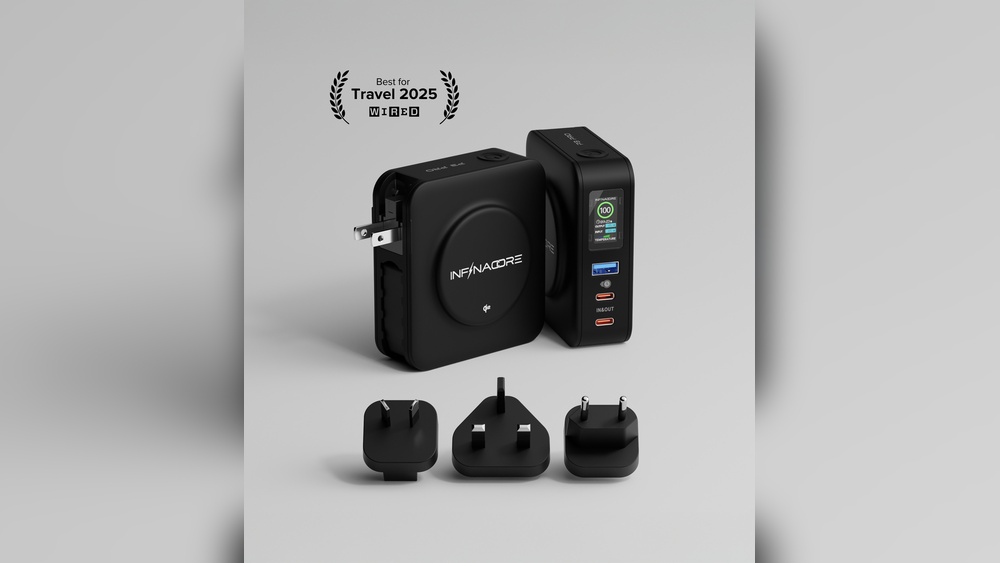
Travel can be exciting, but your devices running out of power is never fun. Imagine missing important calls, losing access to maps, or not being able to take photos because your phone died. This is why having the best power banks for travel is essential today. Whether you’re on a long flight, hiking in the mountains, or exploring new cities, a reliable power bank can keep your devices charged and ready. Many travelers don’t realize how much power banks can vary in size, performance, and features. Some are light and slim, others are built for heavy-duty charging, and a few offer special perks like fast charging or multiple ports. Picking the right one makes travel smoother, safer, and more enjoyable.
This guide will help you discover the best power banks for travel, explain what to look for, and compare popular models. You’ll learn how to choose based on your needs, avoid common mistakes, and understand technical details easily. Let’s explore the top options and tips for stress-free travel.
Why Power Banks Matter For Travelers
When you travel, you often spend hours away from power outlets. Airports, trains, hotels, and outdoor places may not have easy charging options. Power banks solve this problem by letting you charge devices anywhere. Here’s why they’re so useful:
- Stay Connected: Your phone, tablet, or camera stays powered, so you can call, text, and use apps.
- Navigation and Safety: GPS and maps work without interruption, helping you find your way and stay safe.
- Work and Entertainment: You can use your laptop or tablet for work, reading, or watching movies during long journeys.
- Emergency Backup: In unexpected situations (flight delays, lost bags, or emergencies), a power bank is a lifesaver.
Many travelers think any power bank is fine, but this isn’t true. Some are too slow, too heavy, or won’t last long enough. Picking the right one is important for smooth travel.
What To Look For In A Travel Power Bank
Choosing the best power bank for travel means understanding a few key points. Here’s what matters most:
1. Capacity (mah)
Power banks are measured in milliamp-hours (mAh). This tells you how much energy they can store. A higher number means more charges.
- 5,000 mAh: Good for one smartphone charge, light and small.
- 10,000 mAh: Can charge a phone 2–3 times, balance between size and power.
- 20,000 mAh+: For heavy travelers or charging tablets/laptops. These are bigger and heavier.
Tip: Don’t just pick the highest number. If you travel light, a smaller power bank is easier to carry.
2. Weight And Size
Travelers want something light and compact. A big power bank may charge more but can be uncomfortable to carry. Compare sizes using the following table:
| Capacity | Approx. Weight | Dimensions |
|---|---|---|
| 5,000 mAh | 120g | 9 x 4 x 1 cm |
| 10,000 mAh | 220g | 13 x 6 x 1.5 cm |
| 20,000 mAh | 400g | 16 x 8 x 2 cm |
3. Output Power (wattage And Amperage)
How fast your device charges depends on output power. Look for power banks with 2A or higher output for phones, and Power Delivery (PD) for laptops/tablets.
4. Number Of Ports
If you travel with multiple devices, pick a power bank with 2 or more USB ports. Some have USB-C, which is faster and universal.
5. Features
- Fast Charging: Saves time, especially useful during layovers.
- Pass-Through Charging: Lets you charge the power bank and devices at the same time.
- Safety Features: Overcharge and short-circuit protection keeps you safe.
- LED Display: Shows battery level, so you don’t guess.
6. Airline Regulations
Airlines limit power banks to 100Wh (watt-hours) or less in carry-on bags. This usually covers up to 27,000 mAh. Always check your power bank’s specs and airline rules.
7. Price And Warranty
Spending more can mean better quality, but some affordable brands offer great value. Look for warranty or customer support in case of problems.

Credit: www.youtube.com
Top 10 Best Power Banks For Travel
There are hundreds of power banks, but only a few stand out for travel. Here are the ten best, each with unique strengths.
1. Anker Powercore 10000
Anker is a trusted brand for portable charging. The Anker PowerCore 10000 is lightweight (180g), fits in your pocket, and charges most phones 2–3 times. Its fast charging (2.4A output) is great for quick top-ups. It has one USB port, but the small size makes it ideal for short trips. Many travelers use Anker for reliability and safety.
Non-obvious insight: Anker’s PowerIQ technology detects your device and adjusts charging speed, which protects battery health.
2. Ravpower 20,000 Mah Pd
If you carry larger devices like tablets or want more charges, the RavPower 20,000 mAh PD is a solid choice. It offers USB-C Power Delivery, which means you can charge laptops (up to 30W) and phones quickly. With two ports (USB-C and USB-A), it can charge two devices at once. It weighs about 400g, so it’s heavier, but the high capacity is useful for longer trips.
Experience-based tip: RavPower’s PD models support pass-through charging, so you can recharge the power bank and your devices together—perfect for busy travelers.
3. Aukey 10,000 Mah Slim
The Aukey 10,000 mAh Slim is known for its thin design, making it easy to slip into a bag or pocket. It has two output ports, including USB-C, and supports Quick Charge 3.0 for faster charging. The LED display shows battery level, which is more accurate than simple light indicators. It’s a favorite among travelers who want both style and performance.
4. Xiaomi Mi Power Bank 3
Xiaomi’s Mi Power Bank 3 has a 10,000 mAh capacity, metal body, and two output ports. It supports fast charging and is very affordable compared to other brands. It’s also slim (150g) and durable, which is useful for rough travel. Xiaomi is popular in Asia and Europe, often praised for value.
Non-obvious insight: Xiaomi’s power banks have temperature control systems inside, which reduce overheating risk in hot climates.
5. Mophie Powerstation Xxl
If you need even more capacity, the Mophie Powerstation XXL has 20,000 mAh. It supports USB-C PD and can charge three devices at once. Its fabric design is stylish and prevents scratches. The price is higher, but the quality is top-notch. Mophie is known for Apple compatibility, so it’s great for iPhones and iPads.
6. Zendure Supermini 10,000 Mah
The Zendure SuperMini is famous for being small but powerful. It fits in your palm, weighs only 180g, and supports 18W PD charging. It works with phones, tablets, and even some laptops. The durable shell is shock-resistant, making it ideal for adventure travel. Zendure offers a 2-year warranty, which is rare.
7. Goal Zero Venture 30
For outdoor travelers, the Goal Zero Venture 30 is waterproof, dustproof, and rugged. It has 7,800 mAh capacity, enough for a couple of phone charges. It’s designed for hiking, camping, and rough environments. The price is higher, but the durability is unmatched. It has two USB ports and built-in LED lights for emergencies.
Non-obvious insight: Goal Zero’s power banks can pair with solar panels, letting you charge off-grid.
8. Romoss Sense 6p 20,000 Mah
The Romoss Sense 6P offers huge capacity at a budget price. It can charge phones up to six times, tablets twice, and has three output ports. It’s bigger (445g), so best for travelers with backpacks. The power bank has built-in safety systems against overcharging and overheating.
9. Samsung Wireless Battery Pack
If you want wireless charging, the Samsung Wireless Battery Pack is a good pick. It has 10,000 mAh capacity, USB-C port, and Qi wireless charging for compatible phones. No need for cables—just place your phone on the pad. It’s slim, stylish, and charges two devices at once.
Experience-based tip: Wireless charging drains the power bank faster, so use it for short top-ups, not full charges.
10. Ecoflow River Mini
For those who travel with laptops, cameras, or drones, the EcoFlow River Mini is a portable powerhouse. It has 21,600 mAh capacity, AC outlet, USB-C PD (30W), and can charge larger devices. It’s heavier (660g), but perfect for digital nomads, photographers, or business travelers. The fast recharge time (1.5 hours) is a big advantage.
Comparing The Top Power Banks For Travel
To help you choose, here’s a comparison of key features for the top models.
| Model | Capacity (mAh) | Weight | Ports | Fast Charging | Special Feature |
|---|---|---|---|---|---|
| Anker PowerCore 10000 | 10,000 | 180g | 1 | Yes | PowerIQ tech |
| RavPower 20,000 PD | 20,000 | 400g | 2 | Yes (PD) | Pass-through charging |
| Aukey 10,000 Slim | 10,000 | 190g | 2 | Yes (QC 3.0) | LED display |
| Xiaomi Mi Power Bank 3 | 10,000 | 150g | 2 | Yes | Temperature control |
| Mophie Powerstation XXL | 20,000 | 380g | 3 | Yes (PD) | Fabric shell |
| Zendure SuperMini | 10,000 | 180g | 2 | Yes (18W PD) | Shockproof |
| Goal Zero Venture 30 | 7,800 | 250g | 2 | Yes | Waterproof |
| Romoss Sense 6P | 20,000 | 445g | 3 | Yes | Safety systems |
| Samsung Wireless Pack | 10,000 | 200g | 2 | Yes | Qi wireless |
| EcoFlow River Mini | 21,600 | 660g | 4 | Yes (PD/AC) | AC outlet |
How To Choose The Best Power Bank For Your Travel Style
Not every traveler needs the same power bank. Here’s how to match your choice to your travel habits.
For Light Travelers
If you travel with just your phone, go for compact models (Anker PowerCore 10000, Xiaomi Mi Power Bank 3, Zendure SuperMini). These are light, easy to carry, and charge your phone a couple of times.
For Heavy Device Users
If you carry tablets, cameras, or need more charges, choose high-capacity power banks (RavPower 20,000 PD, Mophie Powerstation XXL, Romoss Sense 6P). They’re heavier but give you more flexibility.
For Outdoor And Adventure
If you hike, camp, or go off-grid, rugged models like Goal Zero Venture 30 are best. Waterproof, dustproof, and shock-resistant features protect your power bank in tough conditions.
For Digital Nomads And Business Travelers
If you need to charge laptops or multiple devices, pick EcoFlow River Mini or RavPower PD models. USB-C PD and AC outlets let you stay productive anywhere.
For Wireless Charging Fans
If you want cable-free charging, Samsung Wireless Battery Pack is a smart option. Remember, wireless is less efficient—keep cables handy for full charges.
Common Mistakes When Buying A Travel Power Bank
Many travelers make mistakes when buying power banks. Here’s what to avoid:
- Buying Too Big or Heavy: A huge power bank isn’t always better. It adds weight and takes space. Match capacity to your needs.
- Ignoring Output Power: Slow charging wastes time. Check for fast charging or PD support.
- Not Checking Airline Rules: Some power banks are too big for flights. Always check watt-hour limits.
- Overlooking Quality and Safety: Cheap, unknown brands may fail or be unsafe. Look for trusted brands and safety features.
- Missing Port Variety: If you have USB-C devices, get a power bank with USB-C. Multiple ports help when charging several devices.
- No Warranty: Travel can be tough on gear. A warranty helps if your power bank breaks.
Non-obvious insight: Some power banks lose capacity in cold weather. If you travel to cold places, keep your power bank warm in your pocket or bag.

Credit: www.youtube.com
Practical Tips For Using Power Banks While Traveling
To get the most from your power bank, use these practical tips:
- Charge Before You Leave: Fully charge your power bank at home. Don’t rely on airport outlets—they’re often crowded.
- Bring Cables for Every Device: Keep short, good-quality cables. Cheap cables slow charging or break easily.
- Use Airplane Mode: When charging, turn on airplane mode to speed up charging and save battery.
- Protect from Heat and Cold: Extreme temperatures can damage power banks. Store them in your bag or a pocket.
- Don’t Overcharge Devices: Unplug when your device is full. Overcharging can reduce battery life.
- Label Your Power Bank: Many travelers have similar-looking power banks. Add a sticker or label to avoid mix-ups.
- Check Battery Level Often: Use the LED display to know when to recharge your power bank.
Experience-based tip: In some airports, you must show your power bank’s capacity at security. Keep the specs visible or take a photo of the label.
The Future Of Power Banks For Travel
The world of power banks is evolving. Today’s models are more efficient, lighter, and smarter than ever. Some trends to watch:
- Higher Efficiency: New batteries charge faster and last longer.
- More USB-C and PD: Universal ports and power delivery are becoming standard.
- Wireless Charging: More power banks offer Qi wireless for phones and earbuds.
- Eco-Friendly Models: Brands are making solar-powered and recycled-material power banks.
- Integrated Features: Some power banks have flashlights, GPS, or emergency tools for adventure travelers.
If you want to stay updated, check reliable sources like Consumer Reports for reviews and guides.

Credit: hidramaster.com.br
Frequently Asked Questions
How Many Times Can A Power Bank Charge My Phone?
The number of charges depends on your phone’s battery size and the power bank’s capacity. For example, a 10,000 mAh power bank can charge a typical smartphone (with 3,000 mAh battery) about 2–3 times. Remember, some energy is lost during charging.
Can I Take Power Banks On Airplanes?
Yes, but only in carry-on bags. Most airlines allow power banks up to 100Wh (about 27,000 mAh). Check your power bank’s specs and your airline’s rules before flying.
What’s The Difference Between Usb-a And Usb-c?
USB-A is the older, standard port found on most devices. USB-C is newer, faster, and works with many phones, tablets, and laptops. USB-C also supports fast charging and Power Delivery.
Is Wireless Charging As Efficient As Cable Charging?
Wireless charging is convenient but less efficient. It uses more energy, so your power bank drains faster. Use cables for full charges and wireless for quick top-ups.
How Can I Check If My Power Bank Is Safe?
Look for safety features like overcharge protection, short-circuit protection, and certifications (CE, FCC, RoHS). Choose brands with good reviews and warranties. Avoid buying unknown or very cheap power banks.
Traveling is more enjoyable when your devices are powered up and ready. The best power banks for travel offer freedom, safety, and convenience. By picking the right model, understanding features, and using practical tips, you’ll stay connected wherever you go.
Choose wisely, and let your adventures be worry-free!