Penicillin for cats is a common antibiotic used to treat bacterial infections. It helps fight illnesses by stopping the growth of harmful bacteria. Knowing the uses, benefits, and side effects is important for any cat owner. Penicillin can be effective for wounds, respiratory infections, and more. However, it’s essential to use it carefully, as some cats may have reactions. Understanding how it works and what to expect can make a big difference in your cat’s recovery. Let’s take a closer look at penicillin for cats, focusing on what it does, how it helps, and the possible side effects to watch out for.
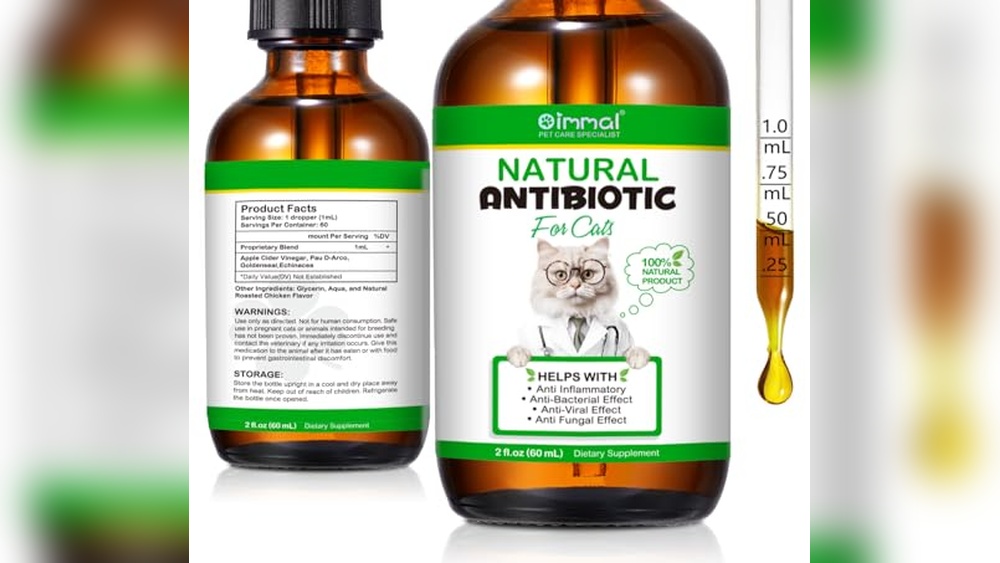
Natural Antibiotic Drops For Cats
If you want to learn about Penicillin For Cats Uses Benefits Side Effects, this natural antibiotic liquid drop is for cat owners looking for herbal support for infections and immune health.

Daily Use Insights for Cat Antibiotic Drops
- Supports infections like ear, skin, respiratory, and urinary tract issues naturally.
- Contains gentle, 100% natural ingredients without additives or sugars.
- Liquid form absorbs quickly, allowing fast action and easy dosing.
- Can relieve itchiness and allergy symptoms linked to skin problems.
- Simple to mix with food or administer directly for convenience.
Considerations Before Use
- Not a replacement for prescription penicillin antibiotics prescribed by vets.
- Effectiveness depends on the specific infection type and severity.
- May require consistent dosing 1-3 times daily for best results.
- Some cats may resist liquid supplements depending on temperament.
Thoughts on This Herbal Cat Supplement
This natural antibiotic drop is designed to address common infections in cats through herbal ingredients. It avoids artificial chemicals, which makes it appealing for owners wary of synthetic drugs.
The liquid form allows quick absorption and easy use, which can save time and reduce stress during treatment. However, it’s important to remember this is a supportive supplement, not a full substitute for vet-prescribed penicillin when needed.
Finding the Right Fit for Your Cat
This product suits cat owners interested in natural remedies to help with infections and allergy relief. It fits well for those wanting a gentle supplement that can be combined with food or given directly.
Owners who expect a quick cure for severe infections or prefer conventional antibiotics might want to consider veterinary options instead. The liquid form also requires patience with cats who dislike drops.
- Ideal for mild to moderate skin, ear, or urinary issues.
- Good for cats sensitive to synthetic medicines.
- Less suitable for urgent or serious bacterial infections.
What to Keep in Mind When Choosing This Supplement
Use this product if you are comfortable trying natural support for your cat’s infections and immune health. It works best alongside vet guidance, not as a standalone cure for serious conditions.
If your cat has severe symptoms or chronic infections, skipping this in favor of prescribed antibiotics may be wiser. Mixing the drops with food can help ease administration and keep your cat calm.
Overall, this supplement offers a calm, gentle way to assist your cat’s health with natural ingredients, providing reassurance without overpromising results.
L-lysine Immune Support For Cats
For cat owners curious about Penicillin For Cats Uses Benefits Side Effects, this supplement supports immune and respiratory health in felines.

Everyday Immune and Respiratory Aid
This product is a liquid L-Lysine supplement designed to support a cat’s immune system and ease symptoms of upper respiratory issues such as sneezing and runny nose. It helps maintain normal respiratory function, which can be especially useful during seasonal changes or when your cat faces minor infections.
Using the drops is straightforward — they mix easily with food and have no taste, so cats usually accept them without fuss. It feels reassuring to know you’re providing a natural amino acid that supports your pet’s immune health without fillers or artificial ingredients.
Use Considerations and Benefits
- Supports immune system naturally with essential amino acid
- Helps relieve symptoms of feline respiratory issues like sneezing
- Easy to administer by mixing with food
- Contains no artificial additives or fillers
- Also supports eye and skin health
- Not a replacement for veterinary-prescribed antibiotics like penicillin
- Results may take several days to notice
- May not address severe infections alone
Thoughtful Use for Immune Support
This supplement suits cats who occasionally show mild respiratory symptoms or need immune support without harsh medications. It is gentle and can be part of a daily routine to maintain wellness. However, if your cat has a serious bacterial infection requiring penicillin, this will not substitute prescribed treatment.
For those managing minor symptoms or looking for a supportive supplement, the ease of use and purity are strong points. Keep in mind it’s best to consult your vet if symptoms persist or worsen.
A Considered Choice for Immune Health
If you want a simple, natural way to support your cat’s immune system and ease minor respiratory discomfort, this L-Lysine supplement is worth considering. It fits well for cats prone to occasional sneezing or runny noses and owners looking to avoid unnecessary medications.
Those expecting a quick fix for infections or needing an antibiotic should look elsewhere. A practical tip is to introduce the drops gradually mixed into favored wet food to ensure acceptance. This approach gives you calm assurance that your cat gets supportive care without stress or fuss.
How To Choose The Right Penicillin Option For Your Cat
Choosing penicillin for cats involves understanding your pet’s specific needs. Consider the type of infection and severity before deciding. Most people miss how important it is to check for allergies or sensitivities first. Look for options that balance effectiveness with minimal side effects. Also, think about how easy it is to administer the medication. Finally, consider natural supplements as alternatives or complements to antibiotics.
The 30-second Checklist For Penicillin Use In Cats
- Is the penicillin suitable for your cat’s infection type? ✔ / ✘
- Can you safely give the medication as directed? ✔ / ✘
- Are you aware of potential side effects to watch for? ✔ / ✘
- Is the product easy to administer to your cat? ✔ / ✘
- Does it align with your vet’s recommendations? ✔ / ✘
- Have you considered natural alternatives if appropriate? ✔ / ✘
Preventing Regret When Using Penicillin For Cats
Regret #1: Giving penicillin without a clear diagnosis can cause harm. Always consult your vet to confirm the infection and proper dosage.
Regret #2: Ignoring side effects may worsen your cat’s condition. Monitor your cat closely and contact your vet if unusual symptoms appear.
Regret #3: Overlooking ease of administration can make treatment stressful. Choose a form or supplement that fits your cat’s temperament for smoother dosing.
Quick Pick Table For Penicillin For Cats Uses Benefits Side Effects
| If you want… | Look for this | Avoid this |
|---|---|---|
| Fast relief from bacterial infections | Vet-prescribed penicillin with clear dosage instructions | Over-the-counter products without veterinary guidance |
| Natural support alongside antibiotics | Herbal supplements with immune-boosting ingredients | Supplements with artificial additives or fillers |
| Minimal risk of side effects | Products with gentle formulas and no known allergens | Penicillin with known adverse reactions for your cat |
| Easy administration method | Liquid drops or flavored supplements | Large pills or hard-to-administer forms |
| Support for respiratory or skin issues | Supplements targeting immune and allergy relief | General antibiotics without specific symptom focus |
Tips For Using Penicillin And Related Supplements For Cats
- Always follow your vet’s dosage and schedule exactly.
- Use liquid forms if your cat resists pills or injections.
- Mix supplements with food if your cat is picky but ensure the full dose is consumed.
- Watch for any signs of allergic reaction or digestive upset.
- Store medications in a cool, dry place away from direct sunlight.
Faqs About Penicillin For Cats Uses Benefits Side Effects
Can penicillin be given to all cats?
Penicillin should only be given under veterinary advice. Some cats may have allergies or sensitivities to penicillin.
How do I know if my cat is allergic to penicillin?
Signs include swelling, itching, vomiting, or difficulty breathing. Contact your vet immediately if you notice these symptoms.
Can I give penicillin with other supplements?
Some supplements support immune health, but always check with your vet to avoid interactions.
Is penicillin safe for long-term use in cats?
Long-term use is not recommended unless prescribed. Prolonged use can lead to resistance or side effects.
How often should penicillin be given to cats?
Frequency depends on the infection and vet’s directions. Typically, it is given multiple times a day for a set period.
Can I use natural antibiotics instead of penicillin?
Natural supplements can support health but may not replace prescribed antibiotics for serious infections.
What side effects should I watch for during penicillin treatment?
Common side effects include digestive upset, allergic reactions, and changes in behavior. Report concerns to your vet promptly.
Final Thoughts On Penicillin For Cats Uses Benefits Side Effects
Understanding penicillin’s uses, benefits, and side effects helps you care for your cat safely. Always prioritize veterinary guidance and watch your cat’s response carefully. When unsure, the safest choice is to consult your vet before starting or changing treatment.
As a simple tie-break rule: choose options that combine effectiveness with ease of use for your specific cat’s needs and temperament.