Deciding how often to buy a new iPad can feel tricky. You might wonder if it’s better to upgrade frequently or wait longer.
Many people face this dilemma because technology changes quickly, but so does the price. Some want the latest features, while others prefer to save money and keep their device longer. There’s a balance between having up-to-date tech and making a smart financial choice. Plus, usage habits vary, so the right timing isn’t the same for everyone.
This article will help you understand the factors that influence how often to replace your iPad. It aims to guide you toward a decision that fits your needs and budget.
What Matters Most When Considering An Upgrade
Focus on your daily use, performance needs, and how long your current device still works well. Sometimes minor improvements aren’t worth an early upgrade. Other times, new features can make a big difference in productivity or enjoyment.
Below, you’ll find options grouped by different user needs and preferences. This will help you see which choices align with your situation and how often upgrading might make sense.
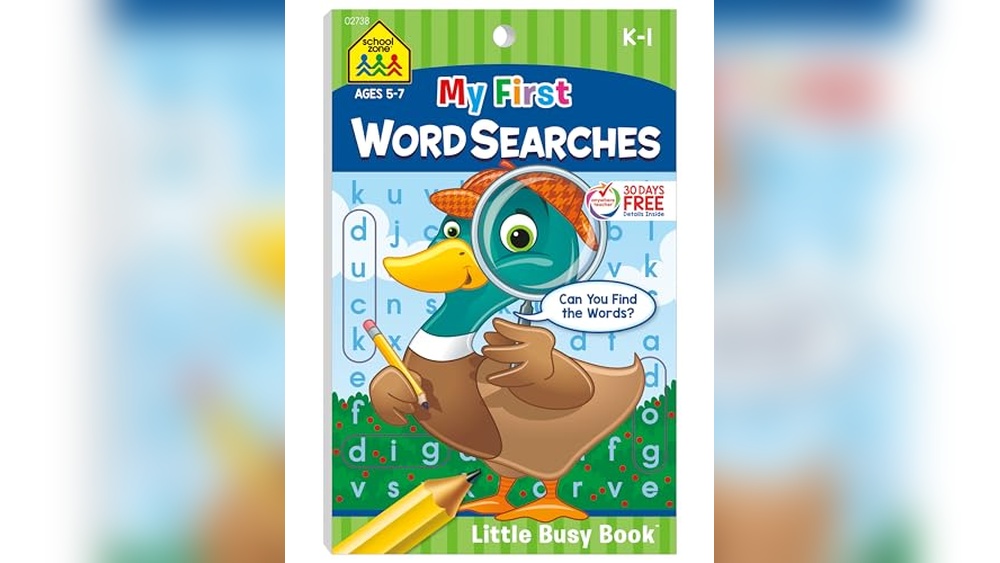
School Zone First Word Searches Workbook
When considering how often to buy new iPads for educational tools, this workbook is ideal for young children developing early literacy skills.

This workbook, designed for kindergarten and 1st-grade children aged 5 to 7, offers engaging word search puzzles that help develop essential early literacy skills such as letter recognition and alphabetical order. It provides a screen-free learning alternative that supports foundational reading practice in a fun and interactive way.
Using this activity pad feels like a simple, reliable way to reinforce learning at home or on the go. It saves parents time by offering ready-made activities that children can do independently, building confidence and encouraging focused play without the need for digital devices.
- Focuses on early learning skills including writing practice and letter sounds
- Compact and lightweight—easy to carry anywhere
- Made in USA with durable pages suitable for repeated use
- Perfect for ages 4-6 as a supplementary educational tool
Who Should Consider This Workbook
This workbook is a great choice for parents and educators looking for a tangible, low-tech resource to support early literacy development in young children. It suits families wanting to limit screen time while still providing educational engagement. However, if you are specifically seeking an iPad app or digital product, this physical workbook won’t replace tablet-based learning tools.
It helps reduce the stress of finding age-appropriate activities that keep kids busy and learning. A practical tip is to integrate workbook sessions into daily routines, such as after school or before bedtime, to create a consistent habit. You can feel reassured knowing this workbook is thoughtfully designed to build fundamental skills without overwhelming young learners.
How To Choose The Right Word Search Workbook For Young Learners
Consider the age and skill level of the child first. Think about whether the workbook encourages foundational skills like letter recognition alongside word search puzzles. Balance the complexity of puzzles with the child’s attention span and interest. Choose materials that fit the child’s learning pace without causing frustration.
Common Mistakes And Who Should Skip These Word Search Books
- Expecting advanced vocabulary or challenging puzzles—these books are designed for early learners.
- Buying for children younger than the recommended age may lead to difficulty and disengagement.
- Assuming these workbooks replace comprehensive literacy instruction—they are supplemental tools.
- Choosing a book without considering the child’s interest in word puzzles might reduce motivation.
Common Questions About Choosing And Using Word Search Workbooks
How do I know if a word search workbook is suitable for my child’s age?
Check the recommended age range on the workbook. Look for puzzles that match their reading and recognition skills.
Are word search books effective for improving early literacy skills?
They help with letter recognition and vocabulary but should be part of a broader learning routine. They support, not replace, other learning activities.
Can these workbooks be used for children with learning difficulties?
Some children may benefit, but it depends on their specific needs. It’s best to consult with an educator or specialist.
How often should I replace or update the workbook?
Replace when the child outgrows the difficulty level or loses interest. New workbooks can introduce fresh challenges and keep learning engaging.
Is it okay if my child doesn’t finish all the puzzles?
Yes, the goal is to build skills and confidence, not to complete every page. Allow the child to work at their own pace.
Do these workbooks help with handwriting skills?
Some include writing practice, but the main focus is on word recognition and puzzles. For handwriting, look for dedicated practice books.
Are digital versions better than physical workbooks?
Both have benefits. Physical books limit screen time and allow hands-on interaction. Digital versions may offer interactive features but can be distracting.
Feeling Confident About Your Choice Of Children’s Word Search Activity Books
Choosing a word search workbook is about matching the child’s current abilities and interests. It’s okay to take time exploring options and observing what engages your child best.
With thoughtful selection, these activity books can provide enjoyable and supportive learning moments. Trust your judgment and the child’s reactions to find the right fit.