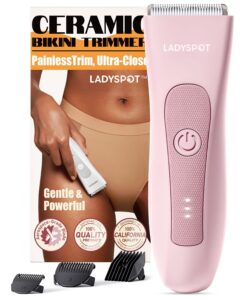
Are you unsure whether to trim, shave, or do both when grooming your face? Choosing the right shaving method can make a big difference in how your skin feels and looks every day.
You want a routine that’s quick, comfortable, and leaves you looking your best. But with so many options, it’s easy to feel confused or frustrated. You’ll discover which method suits your face and lifestyle perfectly. Keep reading to find out how to get the smooth, confident look you deserve—without any hassle.
Trim Vs Shave
Choosing between trimming and shaving affects your facial look and skin health. Both methods have clear differences and suit different needs. Understanding these can help you decide what fits your face best.
Key Differences
Trimming cuts hair shorter but leaves some length. It shapes beards and keeps stubble neat. Shaving removes hair at the skin level. It creates a smooth, clean face. Trimming feels less harsh on skin. Shaving takes longer and can cause irritation.
Pros And Cons
Trimming saves time and reduces skin cuts. It keeps a natural, rugged style. It needs regular upkeep to avoid messy growth. Shaving gives a fresh, polished look. It suits formal or professional styles. Shaving can cause razor burn or bumps. It requires sharp blades and careful technique. Both methods help control facial hair. Pick one based on your skin and style needs.

Benefits Of Trimming
Trimming facial hair offers many benefits beyond just looking neat. It helps keep your face tidy and your style sharp. Trimming is gentle on the skin and easy to maintain daily. This method suits many men who want control over their facial hair length without full shaving. Here are some key benefits of trimming your beard or mustache.
Maintaining Style
Trimming lets you shape your facial hair the way you want. It helps keep edges clean and lines precise. You can create different styles, from a short beard to a defined goatee. Regular trimming avoids an unkempt look and maintains a fresh appearance. Changing your style becomes simple with small adjustments in length. Trimming keeps your face looking polished every day.
Skin Health Advantages
Trimming reduces skin irritation compared to full shaving. It avoids razor burns and cuts on sensitive skin. Keeping some hair protects your face from sun exposure. Trimming also helps reduce ingrown hairs by controlling hair length. The skin stays healthy and less dry after trimming. It offers a balanced way to care for both hair and skin.
Benefits Of Shaving
Shaving offers many benefits beyond just removing hair. It helps maintain a neat and clean look. A well-shaved face often feels more comfortable and fresh. Shaving also boosts confidence by improving your appearance.
Regular shaving can improve skin health. It removes dead skin cells and can prevent clogged pores. This helps reduce acne and irritation. Shaving is not just about style; it supports good skin care.
Smooth Finish
Shaving leaves your skin feeling soft and smooth. It cuts hair close to the skin surface. This gives a clean and polished look. A smooth face can make your skin look healthier.
Touching your face after shaving feels nice. The smoothness lasts for hours. This finish helps with better application of skincare products. It also makes your beard grow back evenly.
Refreshing Feel
Shaving provides a cooling and refreshing sensation. It wakes up your skin and senses. This feeling can improve your mood and alertness. Many enjoy the clean, fresh feeling after shaving.
Using shaving cream or gel adds moisture. It soothes the skin during the shave. This reduces dryness and irritation. The refreshing feel makes shaving a pleasant routine.
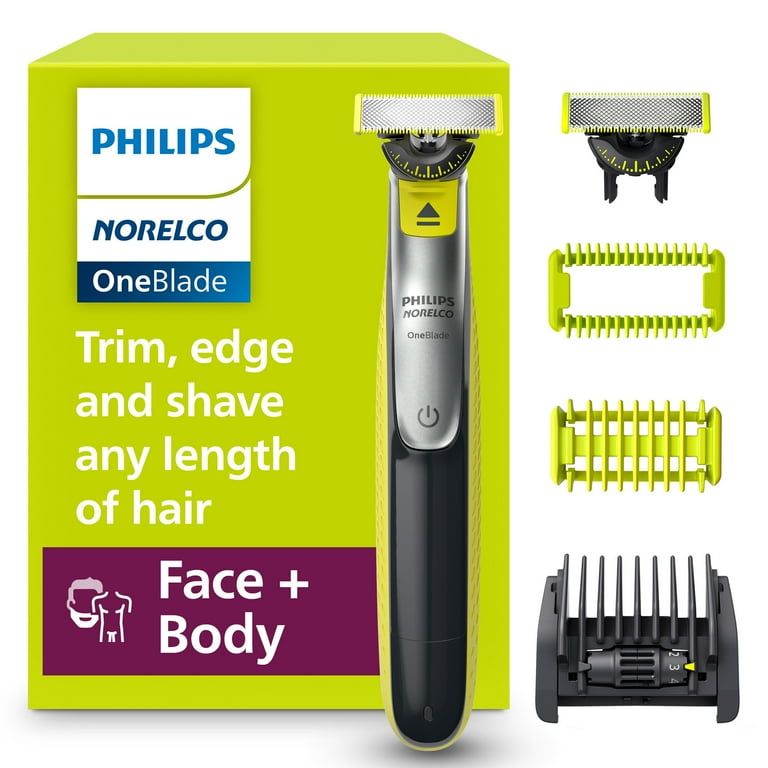
When To Choose Both
Choosing between a trim, a shave, or both depends on your skin and style needs. Sometimes, using both methods gives the best results. It helps keep your face neat and comfortable. This approach works well for many men who want a clean look but also some shape and texture.
Combining Techniques
Start by trimming to remove long hairs and shape your beard or mustache. This step makes shaving easier and prevents cuts. After trimming, use a razor to shave clean areas like the cheeks and neck. This mix keeps the skin smooth but leaves some hair for style. Combining both helps avoid irritation and keeps your face looking sharp.
Best Practices
Trim first with a good quality trimmer to avoid pulling hairs. Use short strokes with your razor, shaving in the direction of hair growth. Clean your skin before and after shaving to reduce bumps. Use a gentle moisturizer to keep your skin soft. Change blades often for a close, safe shave. This routine helps you keep your face fresh and healthy.
Skin Types And Shaving Methods
Choosing the right shaving method depends on your skin type. Different skin reacts differently to shaving. Knowing your skin type helps pick the best way to shave. This avoids irritation and keeps your skin healthy.
Sensitive Skin Tips
Sensitive skin needs gentle care during shaving. Use a sharp razor to prevent tugging. Shave with light pressure to avoid cuts. Apply a soothing shaving cream or gel. Avoid shaving too often to reduce irritation. Always rinse your face with cool water after shaving. Use an alcohol-free moisturizer to calm the skin.
Oily And Dry Skin Considerations
Oily skin can get clogged with heavy creams. Choose a light, non-greasy shaving gel. Shave in the direction of hair growth. This reduces the chance of razor bumps. For dry skin, use a rich, hydrating cream. Shave after a warm shower to soften hair. Moisturize well to keep skin smooth and soft. Avoid harsh soaps that strip natural oils.
Tools And Products
Choosing the right tools and products is key for a smooth shave or trim. The quality and type of equipment affect comfort and results. Using good tools helps avoid skin irritation and cuts. It makes shaving or trimming easier and faster. Below, we explore essential tools and products for your face.
Trimmers And Razors
Trimmers shape and shorten facial hair without cutting too close. They work well for beards and stubble. Trimmers offer control and precision for styling. Razors give a closer shave by cutting hair at skin level. They are best for a clean, smooth face. Choose a razor with sharp blades to reduce nicks. Electric razors suit quick, easy shaves but may not be as close. Manual razors require careful use but deliver the closest shave.
Shaving Creams And Aftercare
Shaving creams soften hair and protect skin during shaving. They reduce friction, making blades glide smoothly. Choose creams or gels with moisturizing ingredients to avoid dryness. After shaving, use an aftercare product to soothe skin. Aftershaves with calming agents help reduce redness and irritation. Moisturizers restore skin’s natural barrier and keep it hydrated. Proper aftercare prevents razor burn and keeps skin healthy.
Common Mistakes To Avoid
Choosing the right shaving method is important for healthy skin. Many people make common mistakes that cause problems. Knowing what to avoid helps keep your face smooth and free from irritation. Here are key mistakes that affect your shave quality.
Irritation Causes
Shaving can irritate your skin if done wrong. Using a dull blade pulls hair instead of cutting it. Shaving too fast causes cuts and redness. Skipping moisturizer dries out your skin. Using harsh soaps removes natural oils. Shaving against hair growth often leads to bumps and irritation. Avoid these habits to protect your skin.
Improper Technique
Technique matters more than you think. Applying too much pressure can cause razor burn. Not rinsing the blade often clogs it with hair and cream. Starting on dry skin increases the risk of nicks. Not using a proper shaving cream or gel reduces protection. Always shave with short, gentle strokes. Follow the hair growth direction for a smoother shave.

Expert Tips For Best Results
Getting the best results from your shave takes more than just a razor. Small steps before and after shaving can make a big difference. These expert tips will help your skin feel smooth and look healthy. Follow simple preparation and care routines for a clean shave every time.
Preparation Steps
Start by washing your face with warm water. This softens the hair and opens pores. Use a gentle cleanser to remove dirt and oil. Apply a warm towel to your face for one to two minutes. This step makes shaving easier and reduces irritation.
Next, use a good shaving cream or gel. Spread it evenly over the area you want to shave. Let it sit for a minute to soften the hair further. Use a sharp razor and shave in the direction of hair growth. Rinse the blade often to keep it clean and effective.
Post-shave Care
After shaving, rinse your face with cool water. This closes pores and refreshes your skin. Pat your face dry with a clean towel. Avoid rubbing, which can cause irritation. Apply a soothing aftershave balm or moisturizer. This helps to calm the skin and prevent dryness.
Use products that do not contain alcohol to avoid stinging. If you feel any redness or bumps, apply a cool compress. Keep your razor clean and replace blades regularly. This prevents infections and ensures a smoother shave next time.
Frequently Asked Questions
What Is The Difference Between Trim And Shave?
Trimming shortens facial hair without removing it completely. Shaving cuts hair at skin level, giving a clean look. Trimming suits maintaining length, while shaving offers a smooth finish. Choose based on your style and skin sensitivity.
Which Method Is Best For Sensitive Skin?
Trimming is gentler and reduces irritation for sensitive skin. Shaving can cause razor burn or cuts if not done carefully. Use sharp blades and moisturizing products to minimize discomfort when shaving.
Can I Combine Trimming And Shaving?
Yes, combining both methods offers a versatile grooming routine. Trim longer hair first, then shave areas needing a clean finish. This approach balances style with skin comfort, ideal for varied facial hair patterns.
How Often Should I Trim Or Shave My Face?
Frequency depends on hair growth and desired look. Trim every few days to maintain length. Shave every day or two for a clean shave. Adjust based on personal comfort and skin reaction.
Conclusion
Choosing the right shaving method depends on your skin and style. A trim keeps your beard neat without irritation. A full shave gives a clean, smooth look. Both methods have benefits for different needs. Test each to see what feels best for you.
Remember, comfort and care matter most. Keep your tools clean and sharp for a better shave. Regular grooming helps maintain your face’s health and appearance. Find what works, and stick with it. Your face will thank you.